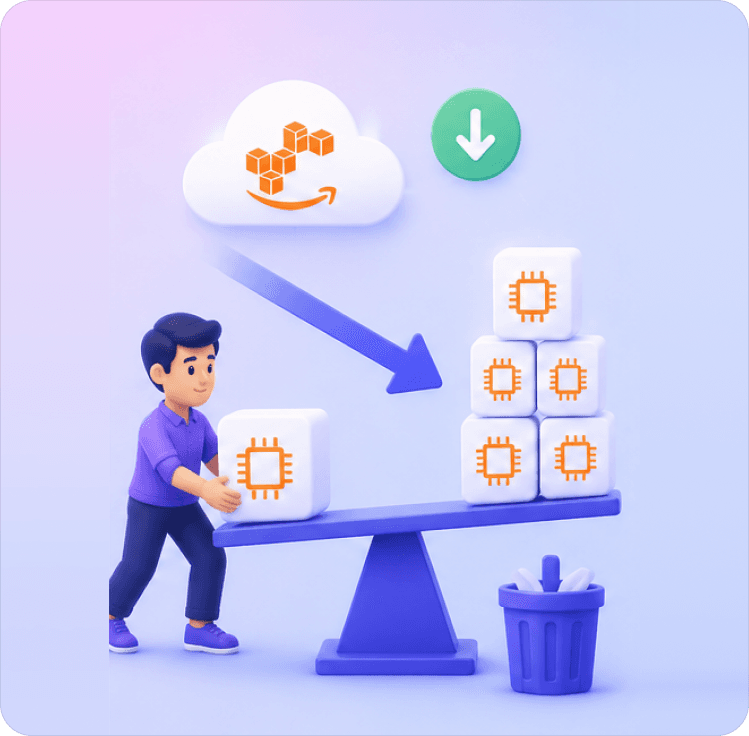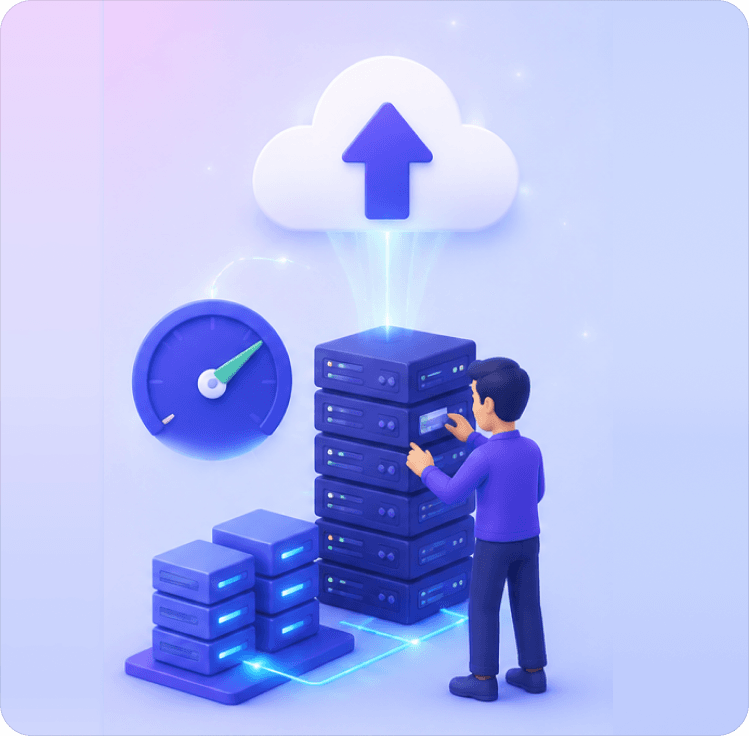

You'd be hard-pressed to find anyone who would say that maintaining an aging server is a good idea. Hardware and support costs tick up, and a company can quickly outgrow its infrastructure. Only then do companies typically consider an AWS migration in earnest. Often, the anticipation of the migration is daunting.
That worry is exactly why many teams speak to an AWS cloud managed service provider before they touch a single server. Having experienced engineers involved from the start turns a big, vague project into a clear set of steps with owners and dates.
Planning is essential to resolve dependencies and ensure applications are compatible with AWS. To do this, a company should map workload dependencies, assess readiness for AWS, and build a landing zone before moving any workloads. Skipping any one of these steps is how small gaps grow into delays.

Mapping dependencies shows which servers, databases and applications must move together, and the readiness check shows which ones need changes first. The landing zone then gives every workload a secure, well-organised home, and a good aws cloud managed service provider will set it up so identity, networking and governance are ready on day one.
Good AWS cloud migration services also build in rollback planning and security validation, so a failed cutover doesn't turn into a business-wide outage. If something does go wrong during a move, a tested way back keeps customers online while the team fixes the issue.
Hypercare after go-live matters just as much as the move itself, because performance problems and rising bills often show up after the project is declared finished. This is where an AWS cloud managed service provider adds real value, with monitoring, incident response and regular cost reviews in the weeks that follow.
For organizations planning a data center exit or leaving legacy hosting, migration to AWS cloud works best when planning, testing, and the support period are scoped together instead of bolted on afterward. A single plan with one set of milestones avoids the gaps that appear when each phase is handled separately.

Teams without in-house experience often bring in AWS migration consulting for the assessment and strategy stage alone, then decide how much hands-on help they need. It is a low-risk way to start, and it lets you judge the quality of an aws cloud managed service provider before you commit to anything larger.
To see how the phases, timelines, and handover work in practice, read through this guide to structured AWS migration planning and support. Before signing anything, ask who owns each phase, what gets documented, and what support exists after go-live, then hold the provider to those answers with clear milestones and reporting.
A move to AWS should not end with the cutover. Whether you keep operations in-house or choose a long-term AWS cloud managed service provider, plan for ongoing security, backups, patching and spending control, so the platform you built stays fast, safe and affordable long after go-live.